30
Oct
Common Causes of Blocked Drains in Sydney Homes and How to Prevent Them
Blocked drains are a common plumbing problem that can disrupt daily routines, create unpleasant odours and cause wastewater to drain slowly or back up into your home. From kitchen sinks and bathroom showers to toilets and outdoor drainage pipes, blockages can develop for several reasons. Understanding what causes blocked drains in Sydney homes can help you recognise early warning signs and take practical steps to reduce the risk of recurring problems. Elite Plumbing & Drain Care provides plumbing assistance across Sydney, helping homeowners identify drainage issues and arrange suitable solutions.
1. Grease and Food Waste in Kitchen Drains
Kitchen drains often become blocked when cooking grease, oils, fats and food scraps enter the sink. Although hot grease may initially flow down the drain, it can cool and solidify further along the pipe. Over time, it can combine with food particles and other debris, restricting water flow and contributing to persistent blockages.
To help prevent kitchen drain problems, allow cooking oils and fats to cool before disposing of them in a suitable container rather than pouring them down the sink. Scrape leftover food into the rubbish or an appropriate food-waste collection before washing dishes. A sink strainer can catch larger particles and help prevent unnecessary debris from entering your plumbing system.
2. Hair and Soap Build-Up in Bathroom Drains
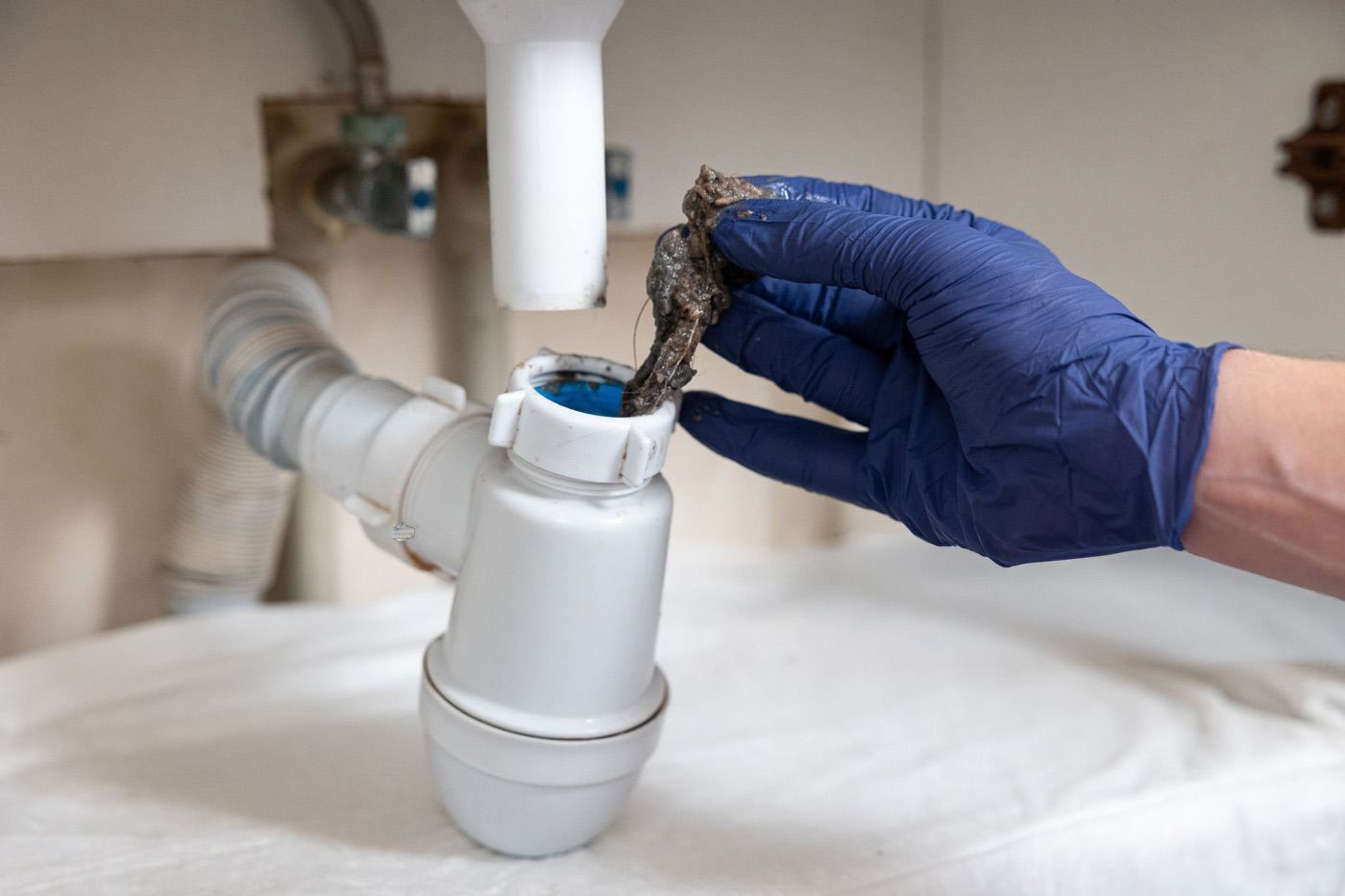
Bathroom drains can gradually become restricted by hair, soap residue and personal care products. Hair can collect around the drain opening or become trapped inside the pipe, where it combines with soap deposits and other material. This build-up may cause water to drain slowly from showers, baths and bathroom basins.
Installing a suitable drain cover or hair catcher can help prevent hair from entering the pipework. Clean the catcher regularly and remove visible debris before it accumulates. If a shower or basin continues draining slowly despite basic cleaning, a deeper blockage may be present. A professional plumber can investigate the cause and recommend an appropriate clearing method.
3. Flushing the Wrong Items Down the Toilet
Toilets are designed to handle human waste and toilet paper, but flushing unsuitable products can cause serious blockages. Wet wipes, paper towels, sanitary products, cotton buds and other household items may fail to break down properly in water. These materials can become trapped in the toilet trap or further along the drainage system, causing water to rise or wastewater to back up.
Only flush items that are appropriate for your plumbing system, and place wipes and personal care products in a rubbish bin even when packaging describes them as flushable. Avoid repeatedly flushing a toilet that is already blocked, as this can cause an overflow. If the water level rises or the blockage does not clear, stop using the fixture and seek plumbing assistance.
4. Tree Roots Entering Underground Pipes
Tree roots can contribute to blocked drains when they find moisture near underground drainage pipes. Small cracks, damaged joints or loose connections can allow roots to enter the pipework. As roots grow, they may trap debris, restrict water flow and worsen existing damage. Recurring blockages, gurgling sounds and slow drainage throughout the property can sometimes indicate a problem in an underground pipe.
Avoid planting trees without considering the location of underground plumbing, and arrange an inspection if drainage problems repeatedly return. CCTV drain inspections can help identify visible root intrusion and other pipe defects. Depending on the condition of the drain, a plumber may recommend suitable clearing, repair, pipe relining or replacement options.
5. Damaged or Deteriorating Drain Pipes
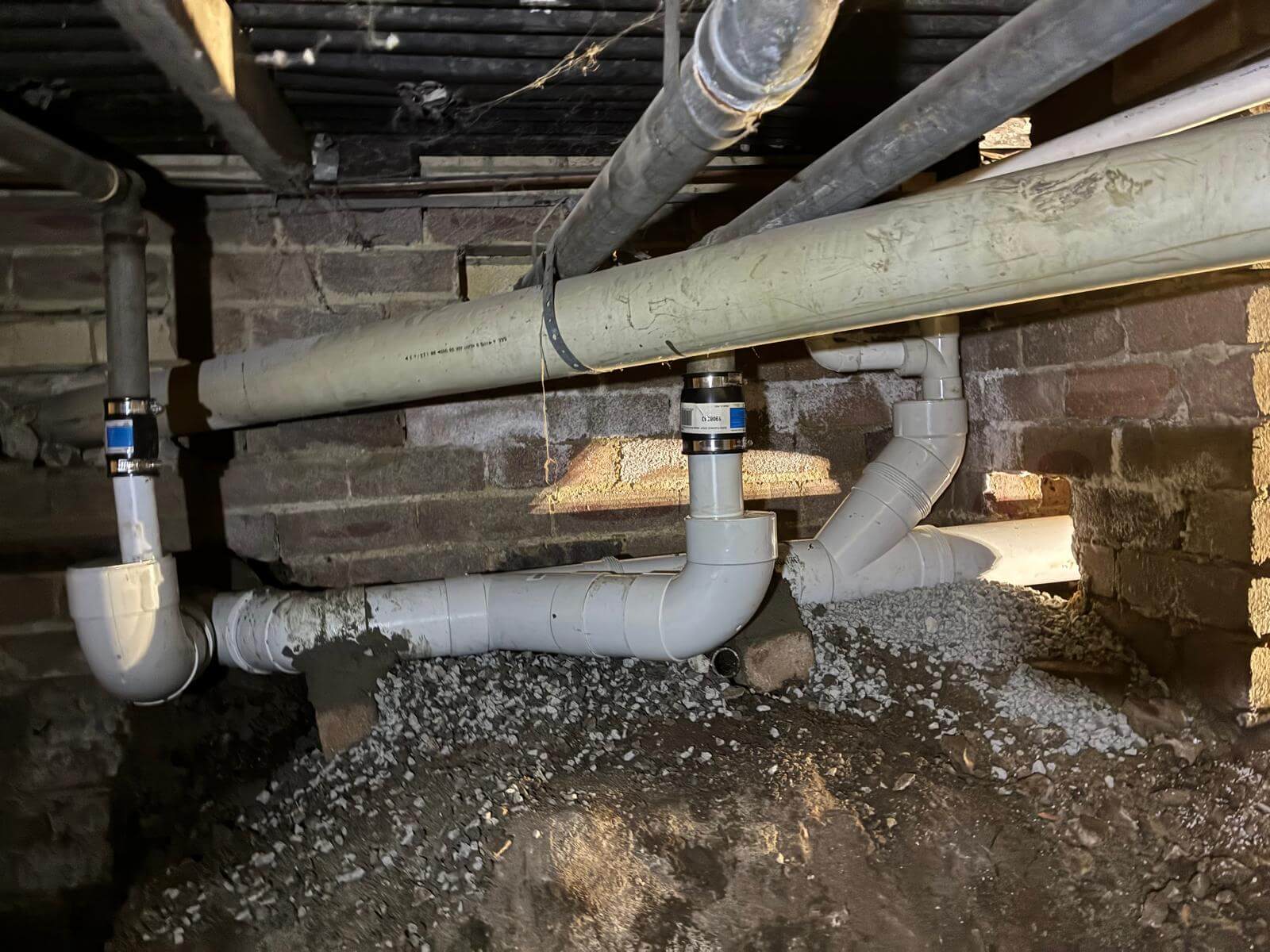
Drainage pipes can deteriorate with age, ground movement, corrosion or physical damage. Cracks, displaced joints and collapsed sections can interrupt normal water flow and allow debris to accumulate. These problems may be difficult to identify because much of the drainage system is concealed beneath floors, within walls or underground.
If you experience recurring blockages despite having the drains cleared, it may be worth investigating the condition of the pipes. A CCTV inspection can provide a view inside accessible sections and help identify visible defects. Once the cause is established, a plumber can explain whether a localised repair, pipe relining or replacement is appropriate for the affected section.
6. Outdoor Debris and Heavy Rainfall
Outdoor drains can become restricted by leaves, dirt, garden waste and other debris. When this material collects around drain grates or enters drainage pipes, water may struggle to flow away properly. Heavy rainfall can make an existing blockage more noticeable by increasing the amount of water that needs to drain from outdoor areas.
To reduce the risk, keep accessible drain grates clear of leaves and rubbish, particularly after windy weather. Check outdoor drainage areas periodically and avoid sweeping garden waste into stormwater drains. If water repeatedly pools around your property or an outdoor drain backs up, arrange an assessment to determine whether there is a blockage or another drainage issue.
7. Warning Signs of a Blocked Drain
Recognising the early signs of a blocked drain can help you respond before the problem becomes more disruptive. Common warning signs include slow-draining sinks, water collecting in the shower, gurgling sounds from pipes, unpleasant drain odours and water backing up through a fixture. In more serious cases, several drains may be affected at the same time.
If more than one fixture is draining poorly, the problem may involve a shared drainage line rather than a single sink or shower. Avoid relying on repeated chemical drain treatments, as some products can damage certain plumbing materials or create safety risks when used incorrectly. If symptoms persist or wastewater backs up, stop using the affected fixtures and contact a plumber.
8. When Should You Call a Blocked Drain Plumber in Sydney?
Professional assistance is recommended when a blockage keeps returning, multiple fixtures are affected, wastewater backs up or basic cleaning does not improve drainage. A plumber can assess the symptoms, determine the likely location of the obstruction and choose an appropriate method to clear it. Where necessary, further inspection can help identify pipe damage or other underlying causes.
Elite Plumbing & Drain Care provides blocked drain services across Sydney. With over 15 years of experience, the team can help investigate drainage concerns and explain suitable options based on the condition of the plumbing system. Addressing the underlying cause can help reduce repeat blockages and avoid unnecessary disruption to your household.
Practical Tips to Prevent Blocked Drains
Simple habits can help keep household drains working properly. Dispose of cooking fats and oils in a suitable container, use strainers in kitchen and bathroom sinks, and keep hair and food scraps out of drains. Avoid flushing wipes or other unsuitable items down the toilet, and keep outdoor drain grates free of leaves and debris.
Pay attention to slow drainage, unusual sounds and persistent smells rather than waiting for a complete blockage. If a drain repeatedly becomes restricted, arrange a professional assessment to check for a deeper obstruction or damaged pipework. Preventative maintenance cannot eliminate every plumbing problem, but it can help identify issues early and reduce avoidable blockages.
Reliable Blocked Drain Services in Sydney
Blocked drains can have many causes, from everyday grease and hair build-up to tree root intrusion and damaged underground pipes. Identifying the source of the blockage is important when choosing a suitable solution. Good drainage habits and early attention to warning signs can also help prevent recurring problems.
If you are experiencing a blocked drain in Sydney, contact Elite Plumbing & Drain Care on 0420 102 171 or email contact@eliteplumbingdraincare.com to discuss your plumbing needs and request a quote. Whether you have a slow kitchen sink, a blocked bathroom drain or a recurring outdoor drainage issue, professional assistance can help you determine the next steps.