30
Oct
Signs Your Hot Water System Needs Repair or Replacement
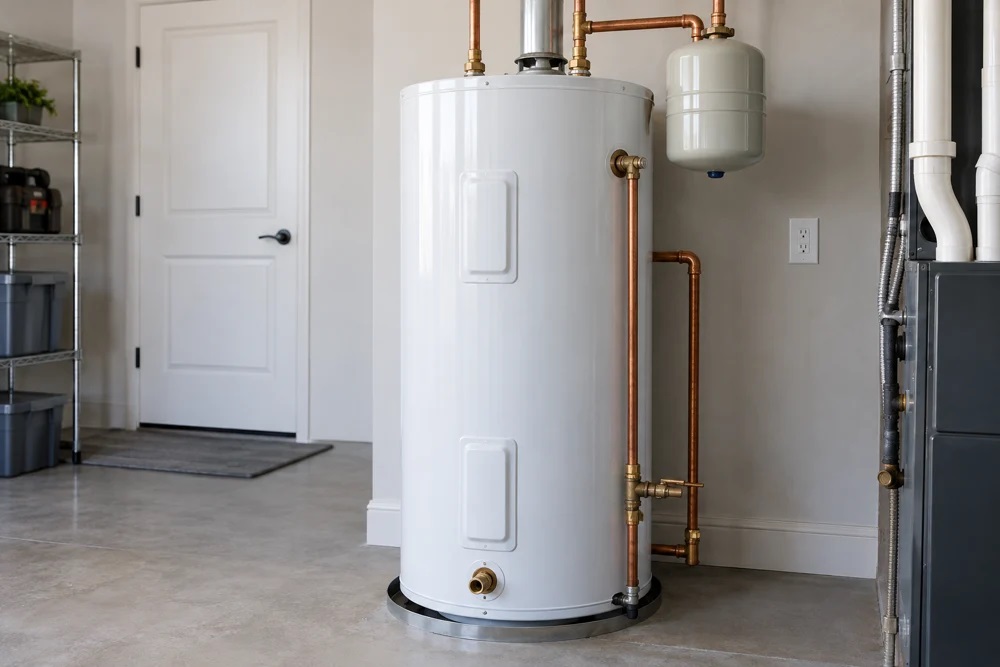
A reliable hot water system is essential for everyday comfort, from taking a shower to washing dishes and doing laundry. When your system starts showing signs of trouble, it can affect your routine and may lead to higher energy or water costs. Recognising the warning signs early can help you determine when to arrange professional hot water system repairs or consider replacing an ageing unit. Elite Plumbing & Drain Care provides plumbing services across Sydney, helping homeowners identify hot water problems and understand suitable repair options.
1. Inconsistent or Insufficient Hot Water
One of the most noticeable signs of a hot water system problem is a sudden change in water temperature or supply. You may find that the water becomes cold halfway through a shower, takes longer than usual to heat up or does not reach a comfortable temperature. These symptoms can be associated with a faulty heating component, thermostat problems, sediment accumulation or a system that no longer meets your household's hot water needs.
The appropriate solution depends on the type of system you have and the underlying fault. A plumber can assess its performance and determine whether a repair is suitable or whether the unit may need replacement. If your household's hot water demand has increased, it may also be worth checking whether the system has sufficient capacity.
2. Unusual Noises Coming from the System
Unusual popping, rumbling, banging or hissing sounds from a hot water system should not be ignored. In storage systems, sediment can collect at the bottom of the tank and contribute to popping or rumbling noises during heating. Other sounds may indicate a component fault, pressure-related issue or another problem that requires investigation.
Do not attempt to open, dismantle or repair the unit yourself. If the system starts making unfamiliar noises, arrange a professional inspection to identify the cause. Addressing the issue early may help prevent further wear, although the appropriate repair will depend on the system's condition and the source of the noise.
3. Water Leaking Around the Hot Water Unit
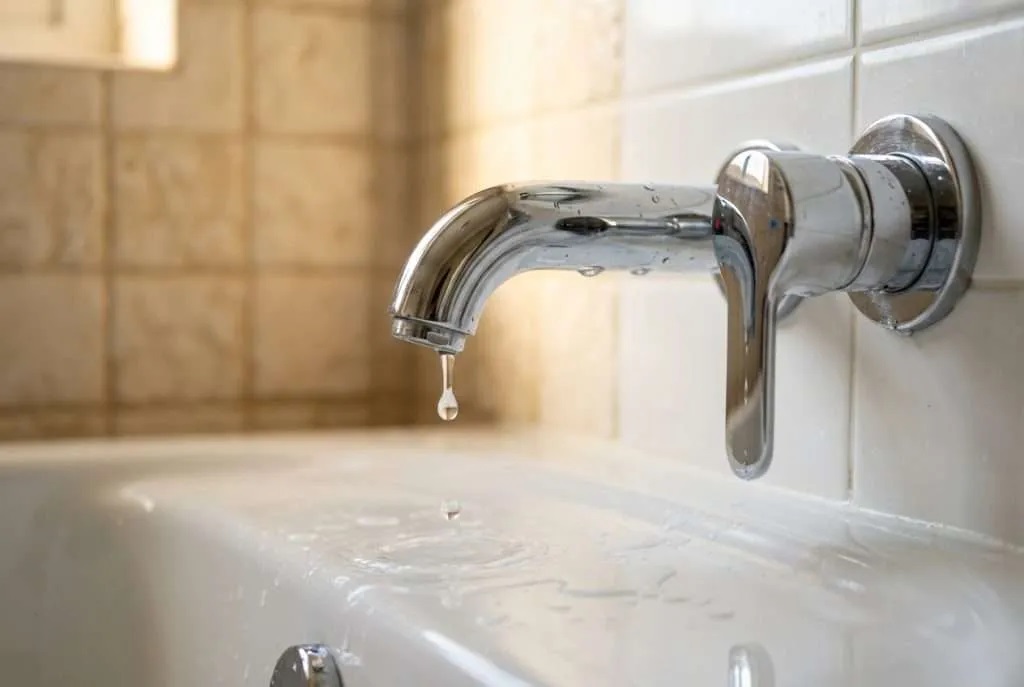
Moisture, dripping water or a pool forming around your hot water system can indicate a plumbing fault. Possible causes include loose connections, leaking pipework, a faulty valve or deterioration of the storage tank. While some leaks may be repairable, a leaking or corroded tank can indicate more serious damage and may require the unit to be replaced.
If you notice a leak, keep clear of hot water and any potentially unsafe equipment. If it is safe to do so, isolate the water supply to limit further leakage and contact a qualified plumber. Never block or tamper with a temperature-pressure relief valve or its discharge pipe, as these components are important safety features. A professional can determine whether the source is a connection, valve or the tank itself.
4. Rusty or Discoloured Hot Water
If hot water appears brown, rusty or unusually discoloured, the cause may involve corrosion inside the storage tank, deteriorating pipework or another issue with the water supply. The location of the discolouration can provide useful clues. For example, if only hot water is affected, the hot water system or associated pipework may need closer inspection. If both hot and cold water are discoloured, the issue may be elsewhere in the plumbing system or water supply.
A professional assessment can help identify the likely source. If the storage tank is significantly corroded, replacement may be more practical than repair. Avoid assuming that discoloured water is harmless, particularly if the problem persists or is accompanied by unusual smells or visible particles.
5. Your Energy Bills Have Increased
An unexpected increase in energy costs may be associated with a hot water system that is no longer operating efficiently. Sediment build-up, faulty controls, damaged components or heat loss can affect performance and increase the energy required to heat water. However, energy prices, household usage and other appliances can also influence your bills, so a higher bill alone does not confirm that your hot water system is faulty.
If you notice a sustained increase alongside other symptoms, such as slow heating or inconsistent temperatures, consider arranging an inspection. A plumber can assess the system's condition and advise whether servicing, repair or replacement is worth considering.
6. The System Requires Frequent Repairs
An occasional repair does not necessarily mean a hot water system needs replacing. However, if faults keep returning, replacement parts are becoming difficult to obtain or repair costs are adding up, it may be time to compare the cost of continued repairs with the cost of a new unit.
The decision should take into account the system's age, condition, reliability, efficiency and suitability for your household. A qualified plumber can explain the likely benefits and limitations of each option so you can make an informed decision. Replacing a system is not always necessary, particularly when the fault is limited to a serviceable component.
7. Your Hot Water System Is Getting Older
Hot water systems do not last indefinitely, and their expected service life varies according to the system type, installation, maintenance and operating conditions. As a unit ages, components may wear out and the likelihood of certain faults may increase. Older systems may also lack features available in newer models, although age alone does not automatically mean replacement is required.
If your system is approaching the end of its expected service life and is showing signs of deterioration, arrange an assessment before it fails completely. Planning ahead gives you time to compare suitable replacement options, consider household hot water requirements and avoid making a rushed decision when the system stops working.
8. When Should You Repair or Replace Your Hot Water System?
Repair may be appropriate when the problem involves a replaceable component and the rest of the system remains in good condition. Replacement may be worth considering when the tank is leaking due to corrosion, the unit has recurring major faults or the cost of repairs is no longer economical. The best choice depends on the condition of the existing system, repair costs, expected remaining service life and your household's needs.
Before making a decision, have a qualified plumber inspect the unit and explain the available options. If replacement is recommended, consider the system's capacity, energy source, available installation space and expected hot water demand. Choosing a system suited to your property can help provide reliable hot water and avoid paying for capacity you do not need.
9. How to Maintain Your Hot Water System
Regular attention can help you identify potential problems before they cause a major disruption. Check for visible leaks, unusual noises, changes in water temperature and signs of corrosion around accessible parts of the system. Keep the area around the unit clear and follow the manufacturer's maintenance recommendations. A qualified professional can advise whether inspections or servicing are appropriate for your particular model.
Do not attempt to adjust gas components, electrical connections, thermostats or pressure-relief equipment unless you are appropriately qualified and authorised to do so. If you notice a fault, arrange professional assistance rather than dismantling the unit. Routine maintenance cannot prevent every failure, but it can help identify developing issues and support safe operation.
Professional Hot Water System Repairs in Sydney
If your hot water system is leaking, producing inconsistent temperatures, making unusual noises or requiring repeated repairs, Elite Plumbing & Drain Care can help you understand the next steps. With over 15 years of experience, the team provides plumbing assistance across Sydney, including hot water system repairs and installation. We focus on assessing the problem and explaining practical options suited to your system and property.
Contact Elite Plumbing & Drain Care on 0420 102 171 or email contact@eliteplumbingdraincare.com to discuss your hot water concerns and request a quote. Whether you need a repair or are considering a replacement, a professional assessment can help you make an informed decision.